ABOUT GAIA
Gaia was founded on a simple belief: aerial imagery is most valuable when it’s collected with purpose. Every project starts with understanding the landscape itself, its ecology, its history and the questions being asked.
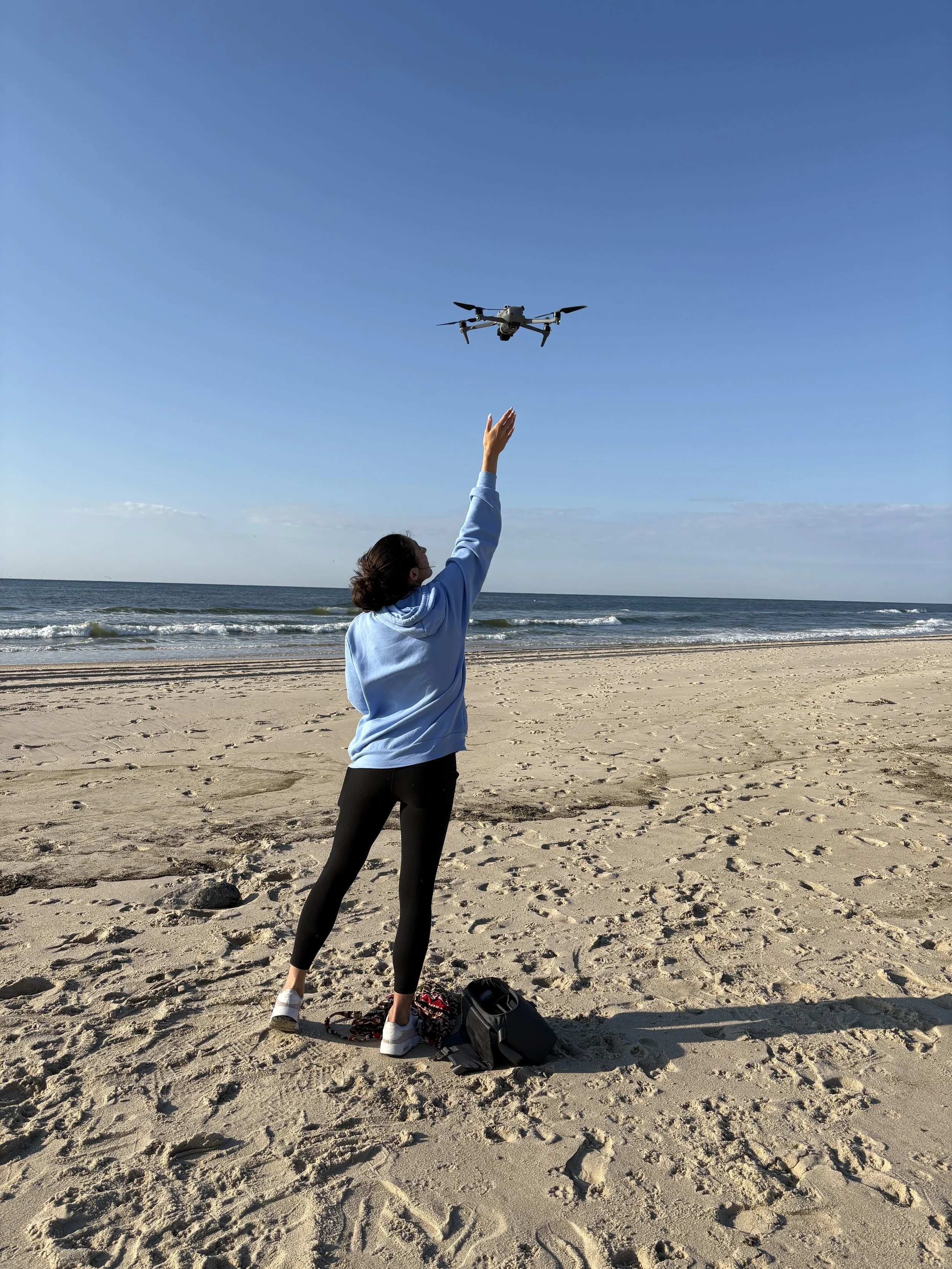
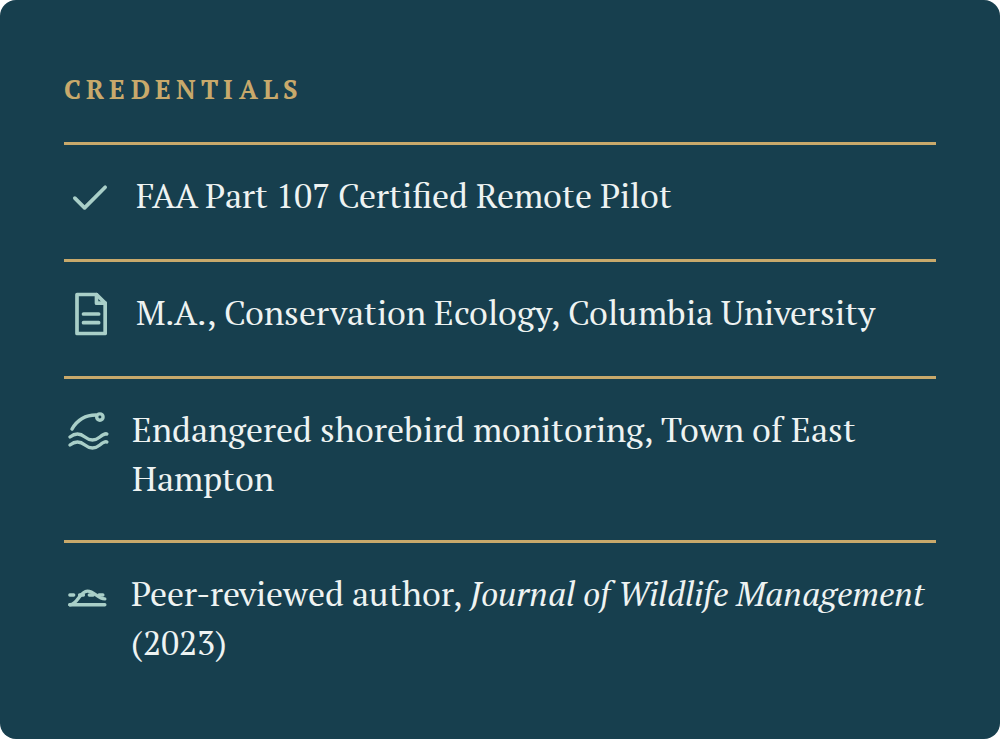
I’m Anna Soccorsi, founder of Gaia. I’m an FAA Part 107 Certified Remote Pilot with an M.A. in Conservation Ecology from Columbia University. Before Gaia, I worked in coastal ecology, biodiversity research and habitat monitoring across the Northeast, from endangered shorebird monitoring in East Hampton to research on carnivores in urban landscapes in the Hudson Valley. That work taught me that the best aerial imagery isn’t just beautiful. It’s useful: it helps people understand a landscape, communicate change and make informed decisions.
Gaia is a small, independent business based in Westhampton. When you hire Gaia, you work directly with me from the first call to the final files.
Aerial imagery, grounded in conservation science

HOW I WORK
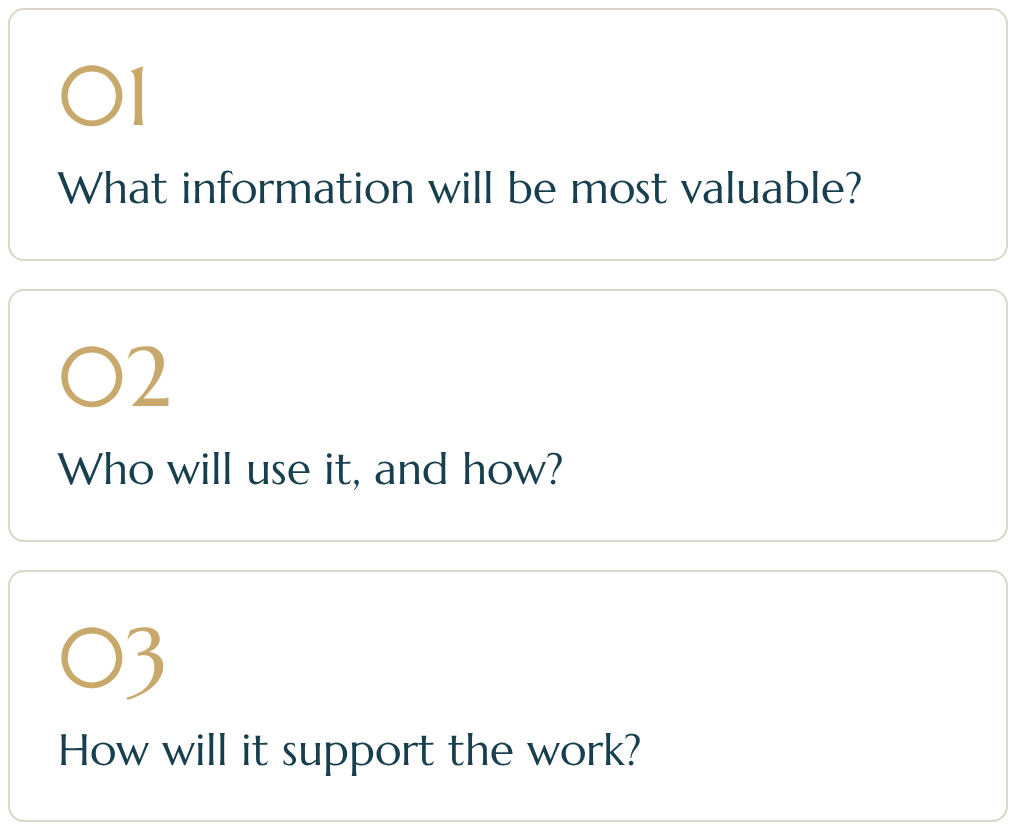
Every project starts with three questions. Only then do I plan the flight, the imagery and the deliverables, whether that’s an orthomosaic map, an elevation model, repeat photography across growing seasons, or a single image that tells the story of a place.
Questions first, then equipment

EXPERIENCE
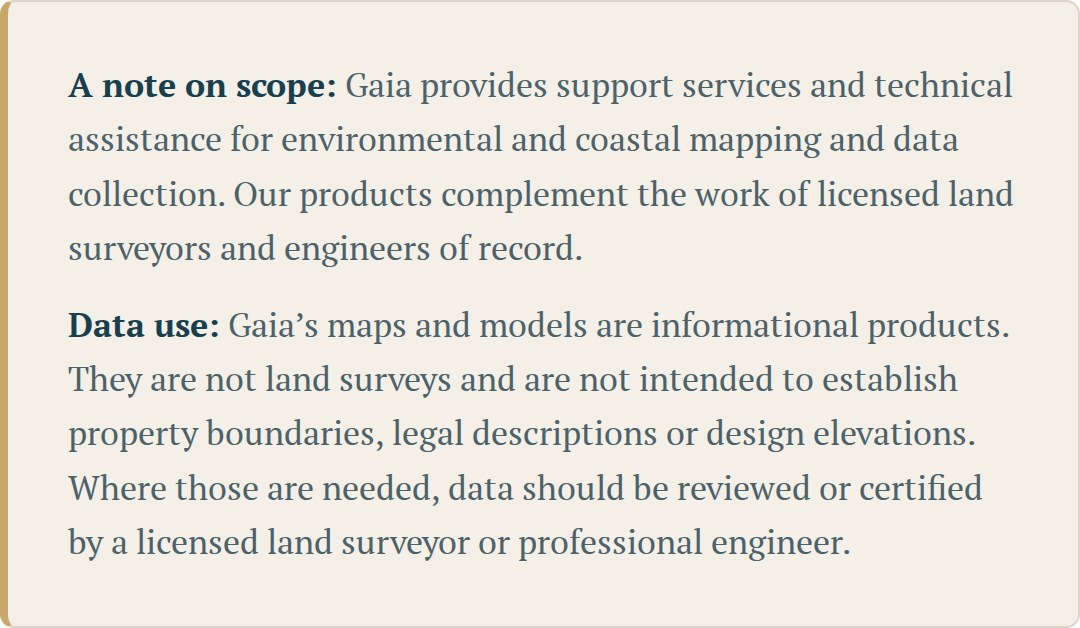
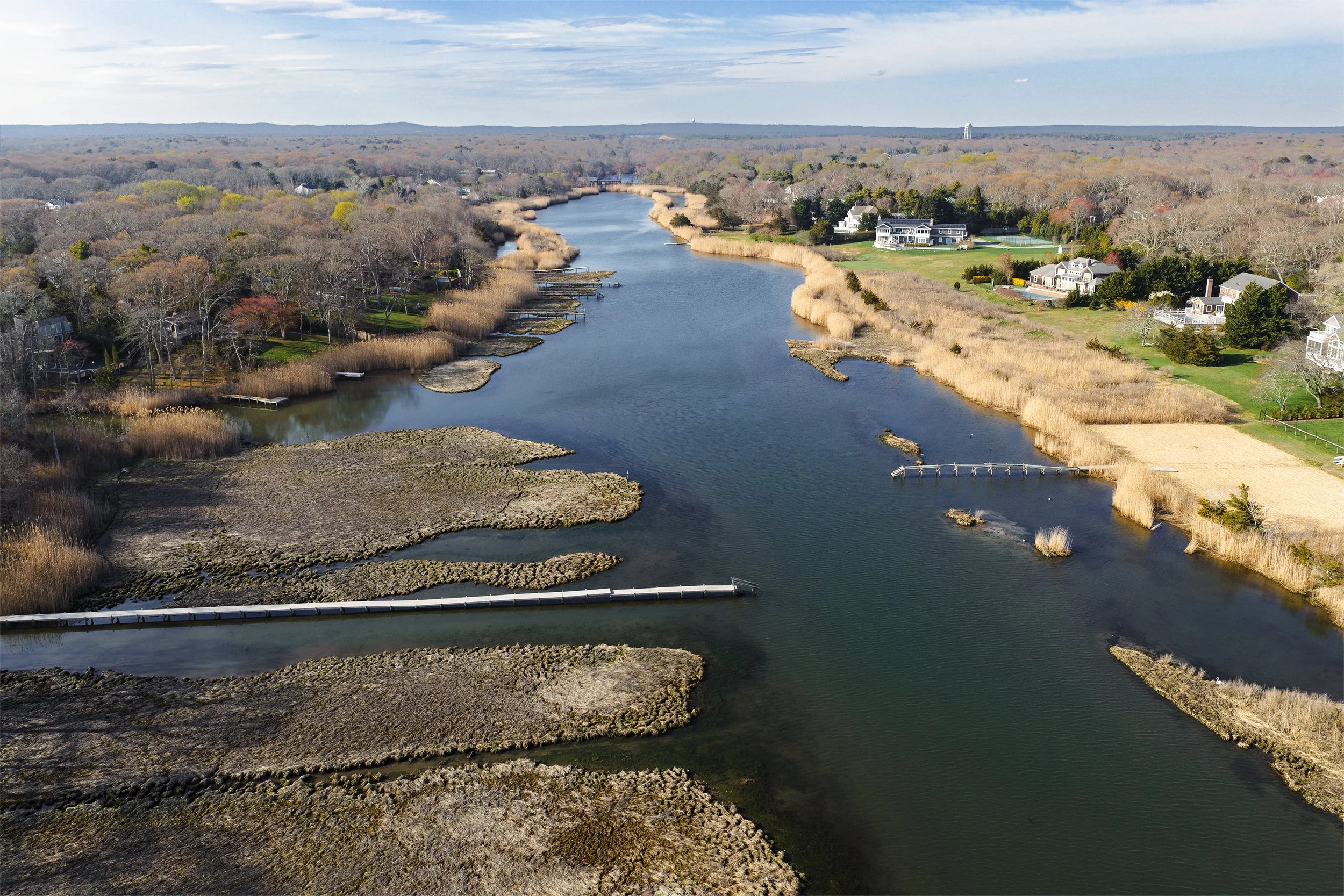
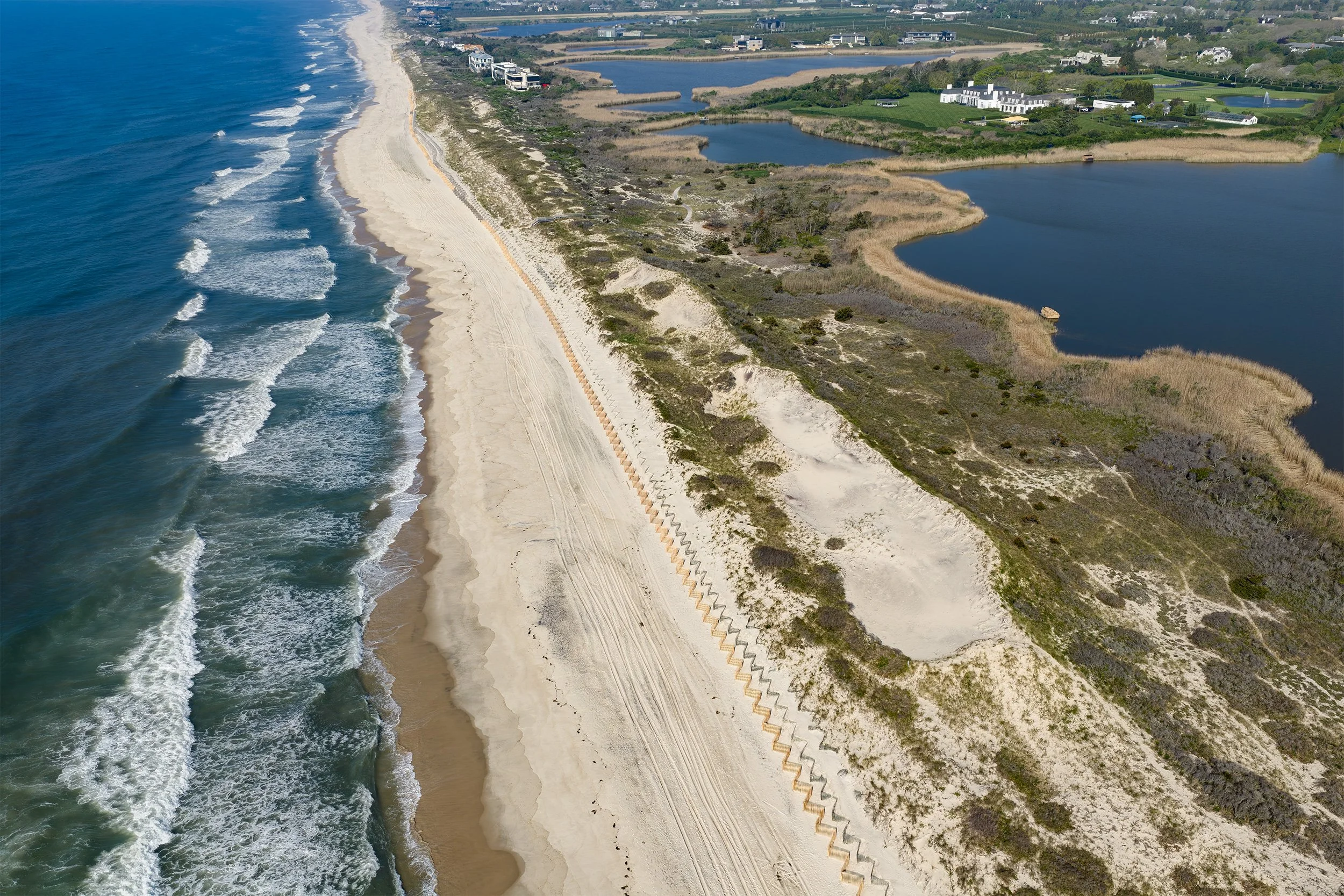
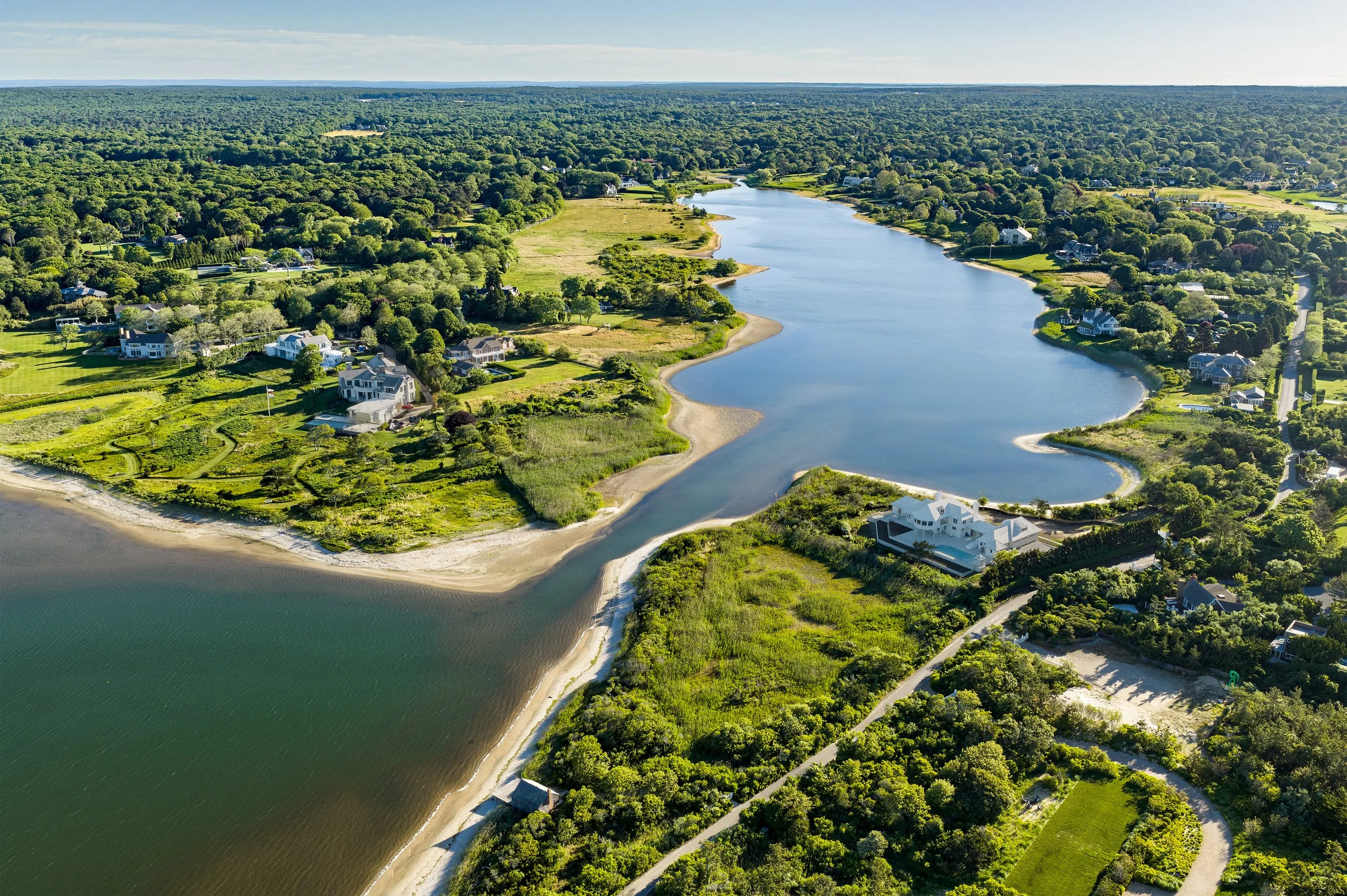
Recent and ongoing work includes drone elevation mapping for a coastal dune restoration project and aerial imagery for a conservation nonprofit protecting local waterways. Projects use RTK-enabled mapping for consistent, georeferenced data, high-resolution photography, and processing into orthomosaics, elevation models and GIS-ready products.
I work alongside environmental consultants, engineers, municipalities and land trusts, providing aerial data while respecting the expertise and responsibilities of each discipline.
Professional tools, a collaborative approach