
Drone Mapping and Aerial Imagery for Coastal, Conservation, and Working Landscapes
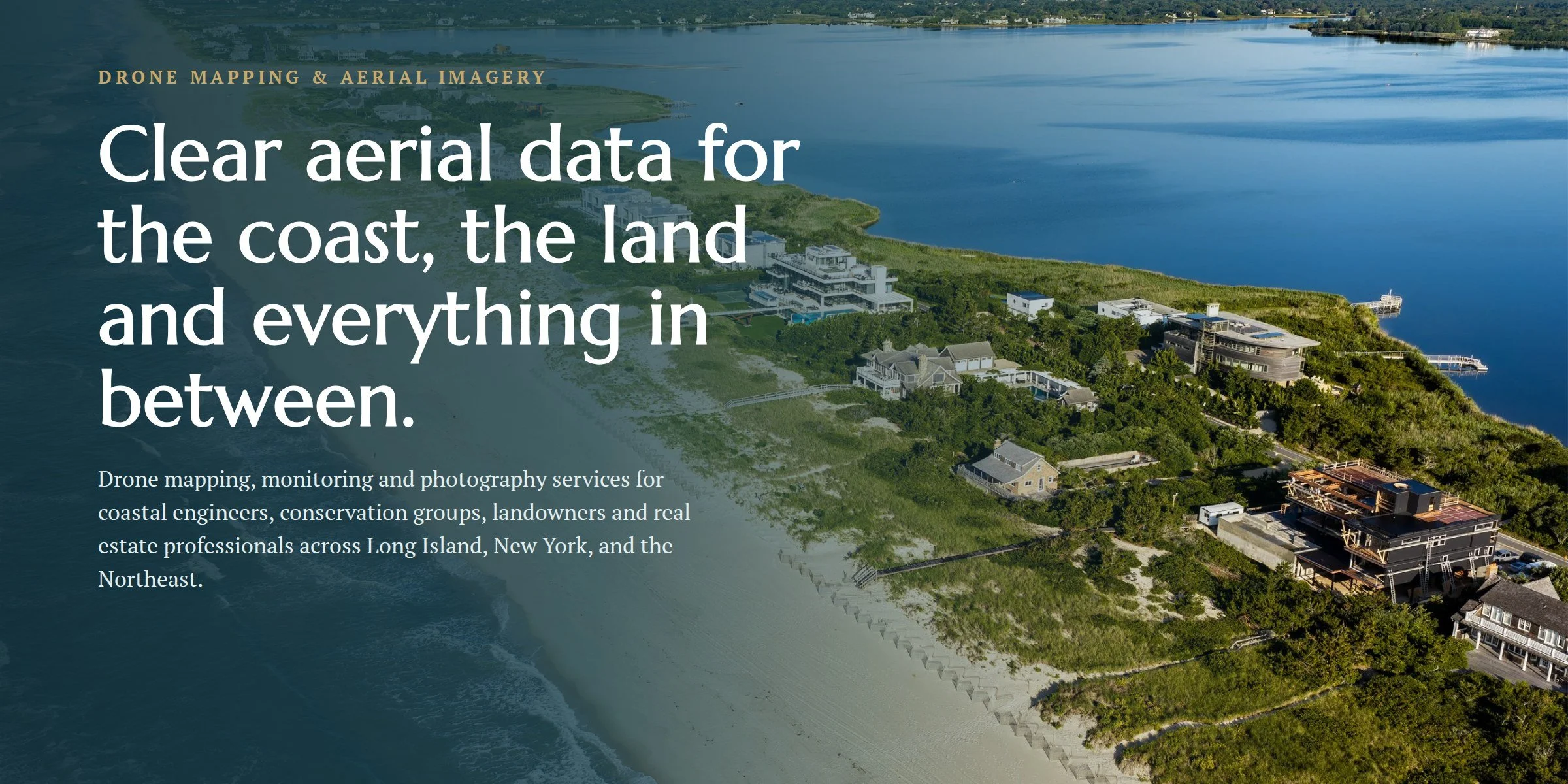
High-resolution aerial data and visuals for environmental monitoring, coastal resilience, and land management across Long Island, New York, and the Northeast.
Landscape-Scale Insight for Environmental Action and Stewardship
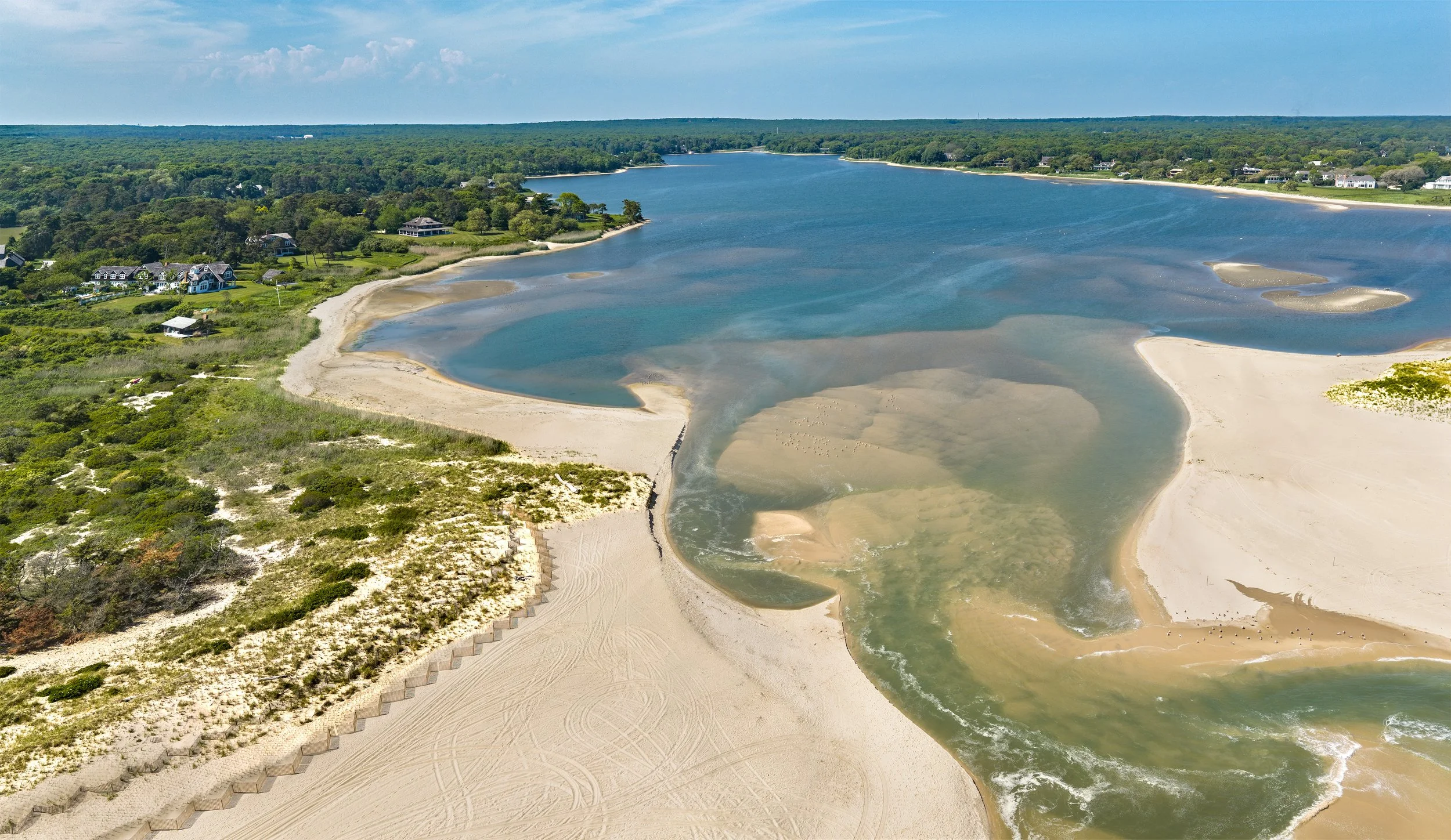
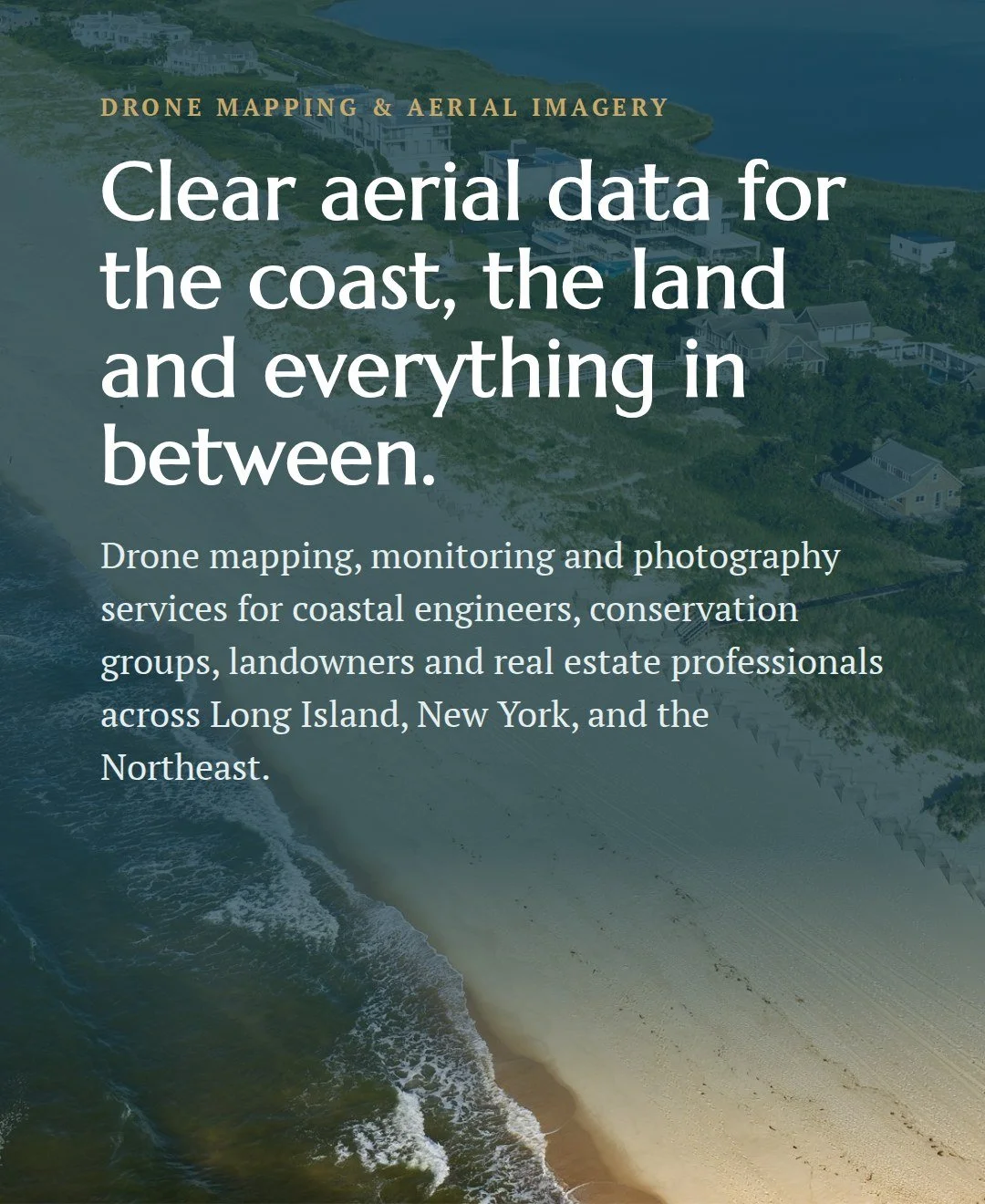
Gaia Aerial Imagery provides drone mapping, aerial photography, and visual storytelling for places under active care — from Long Island's shorelines, wetlands, and coastal ponds to the farms, vineyards, and managed properties of the East End.
Founded by Anna Soccorsi — FAA Part 107 certified drone pilot and an M.A. in conservation ecology from Columbia University — Gaia brings scientific grounding to every flight. This isn't just drone photography. It's a site-specific approach to collecting meaningful visual and spatial data, interpreted by someone who understands the landscapes, systems, and stories being documented.
Two Connected Pillars
Gaia supports both environmental projects and working landscapes through repeatable aerial data, high-resolution imagery, and communication-focused visuals designed for planning, reporting, outreach, and long-term documentation.
1. Environmental Monitoring & Coastal Mapping
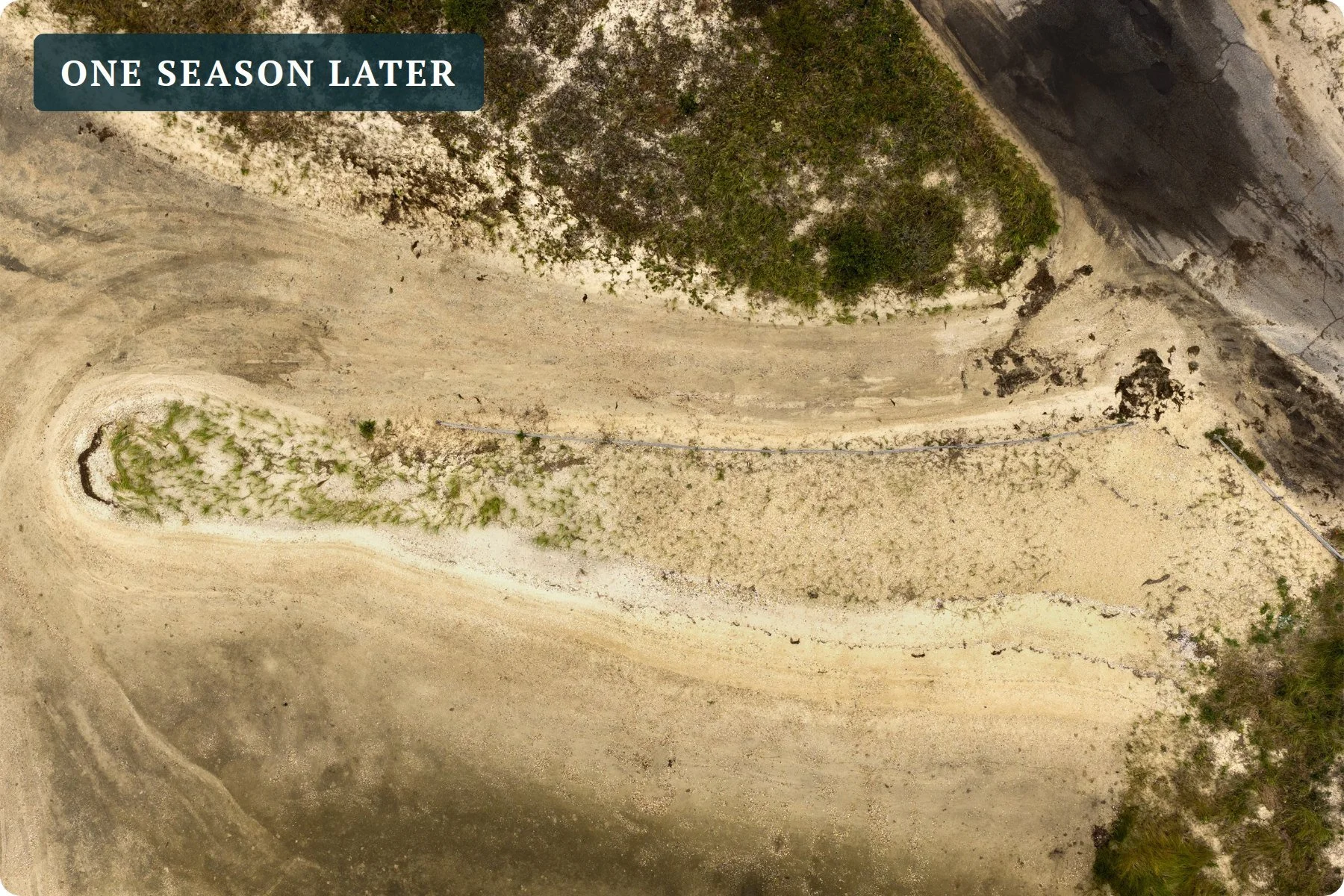
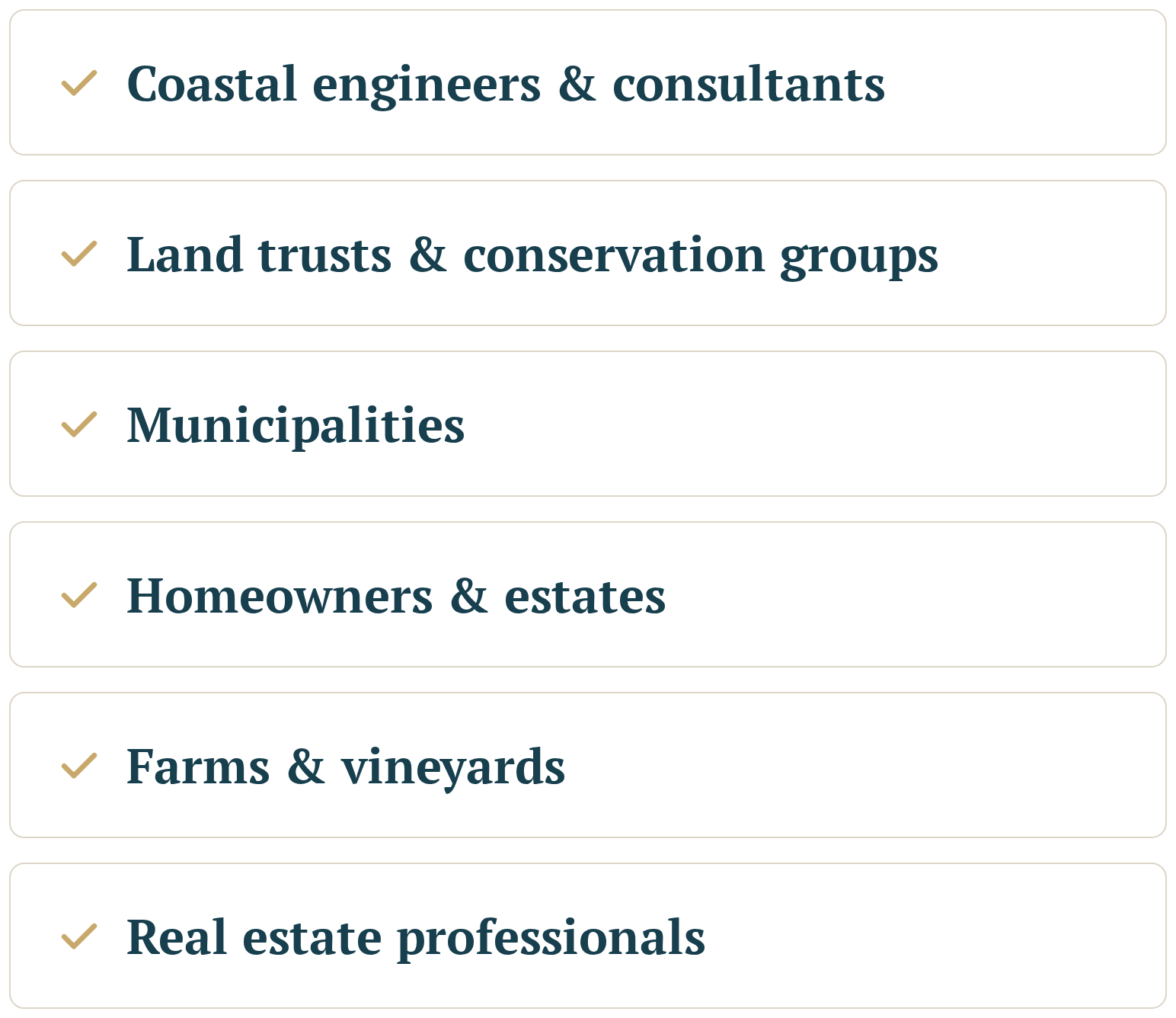
Drone-based mapping and imagery for conservation organizations, municipalities, land trusts, environmental consultants, and restoration partners working across Long Island's coastal and ecological areas — including South Shore barrier beaches, North Fork tidal wetlands, Peconic Bay shorelines, and South Fork coastal ponds.
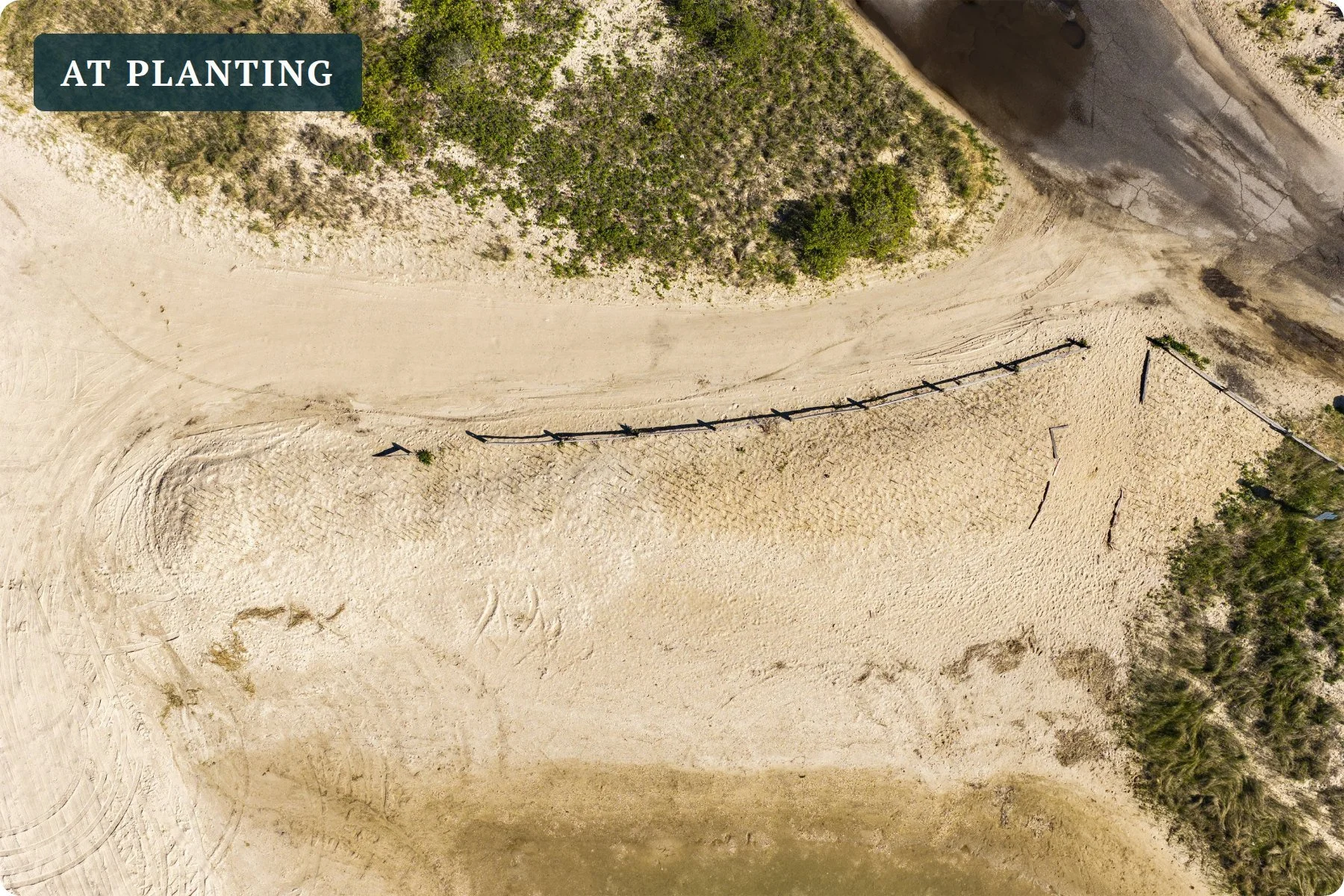
This service area supports shoreline change analysis, storm impact assessments, habitat documentation, restoration tracking, and grant and reporting visuals.
2. Aerial Imagery & Mapping for Working Landscapes
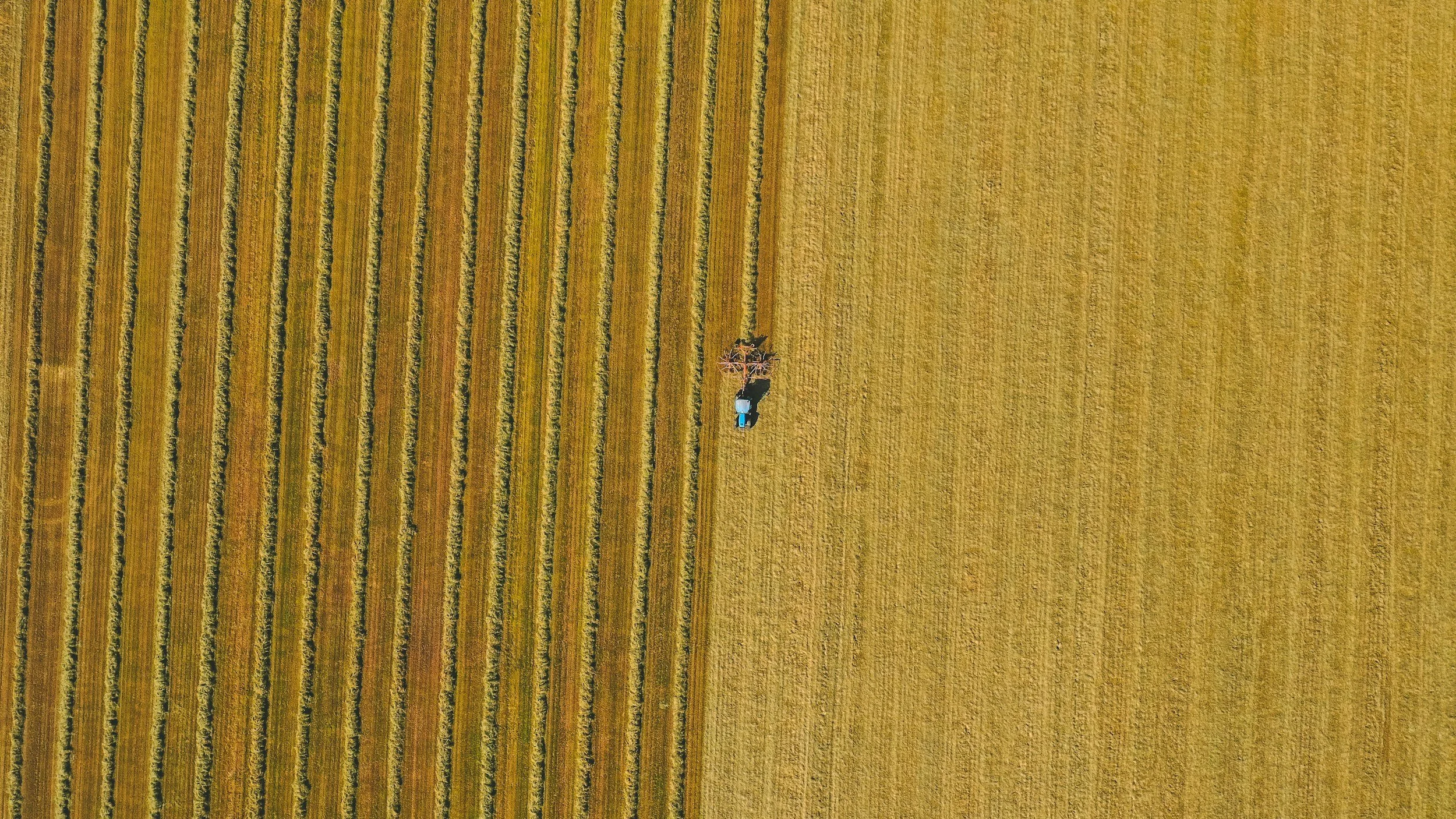
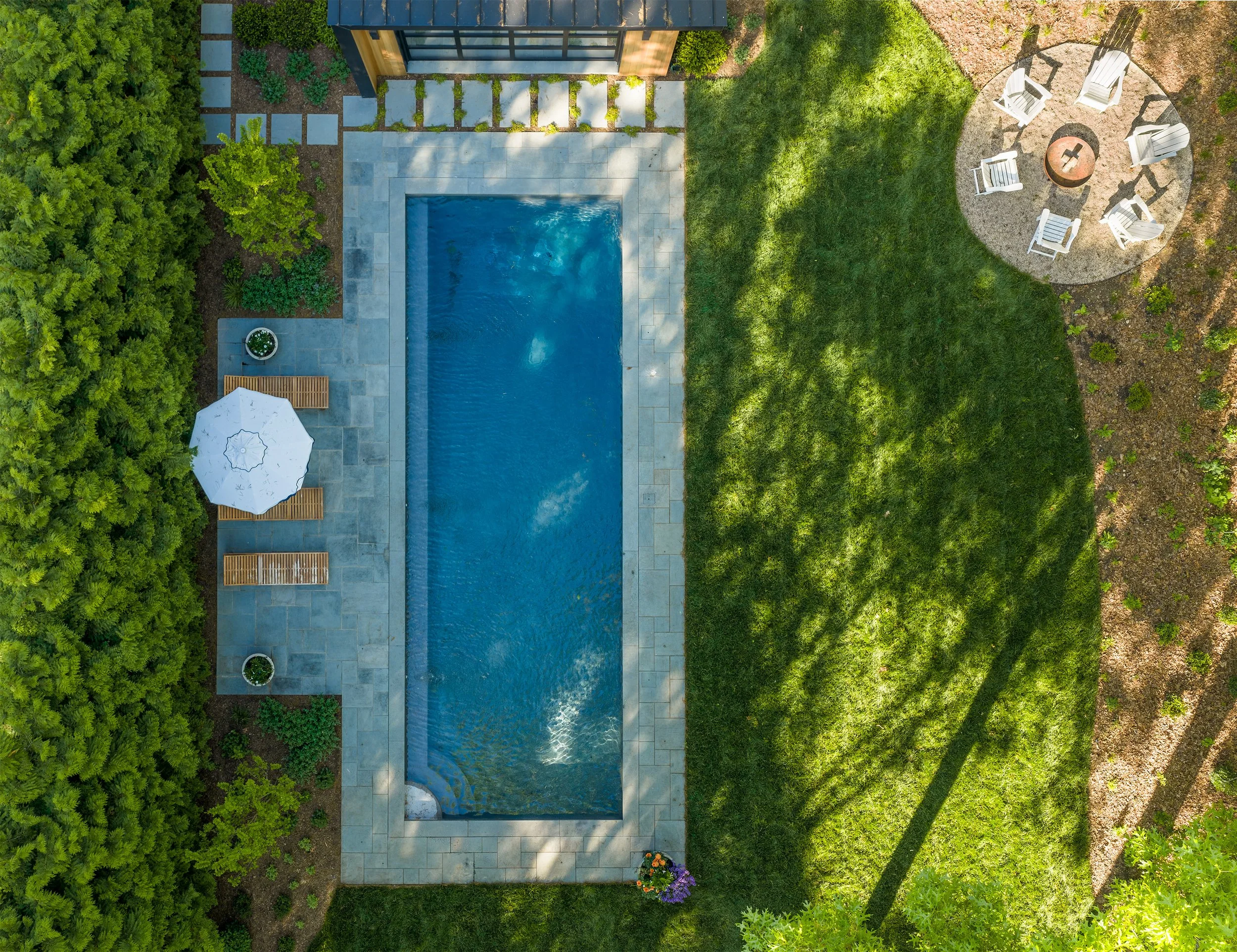
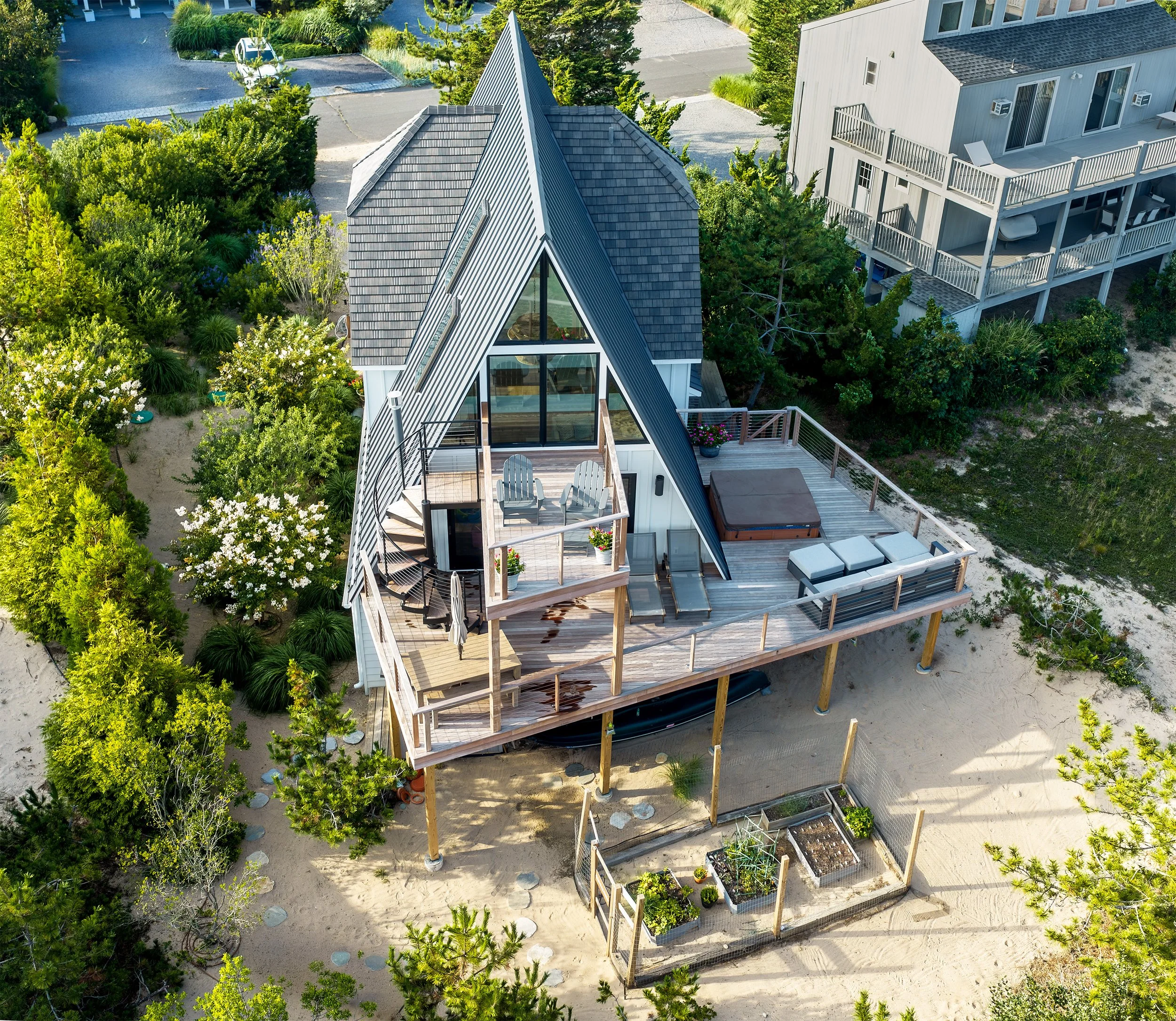
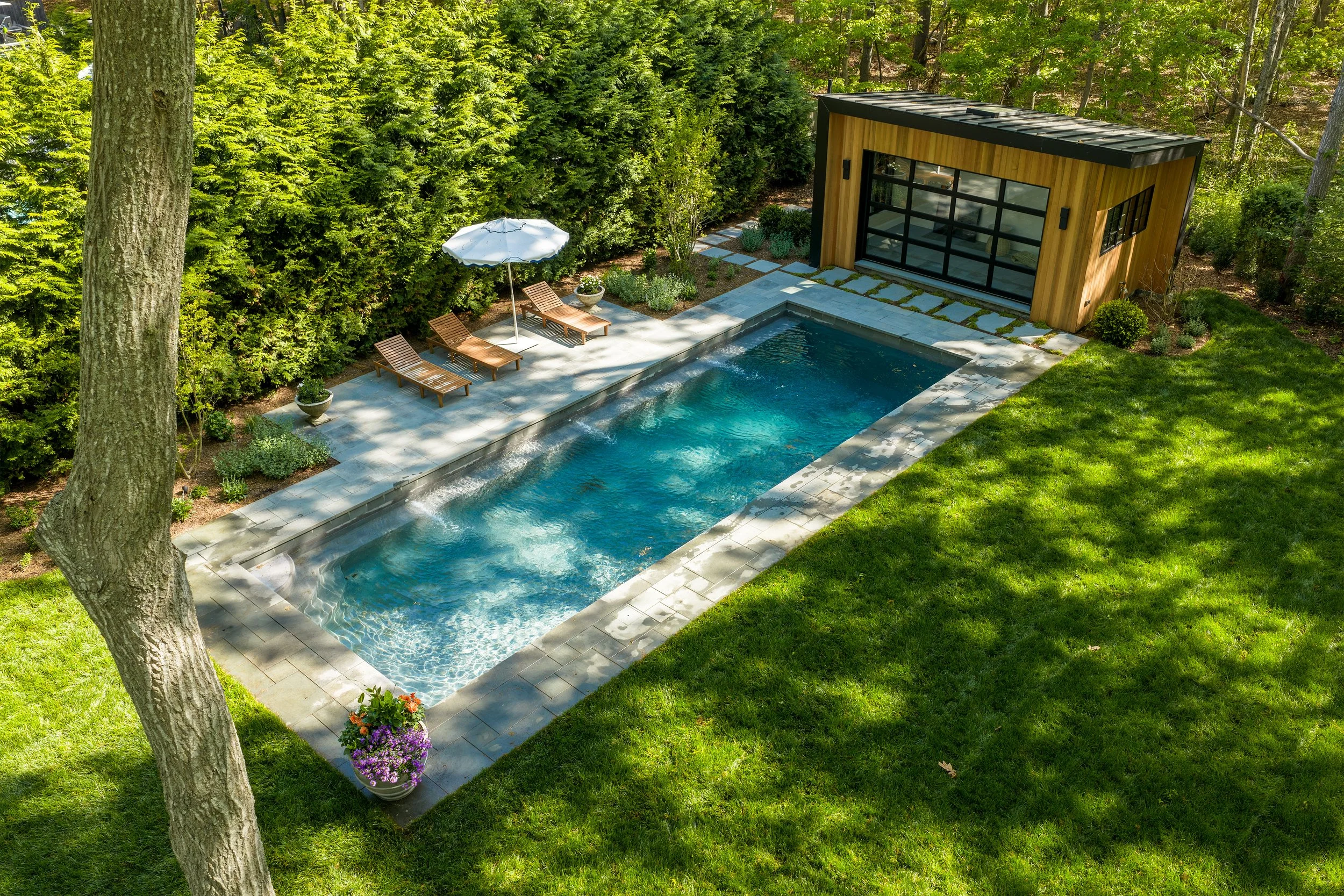
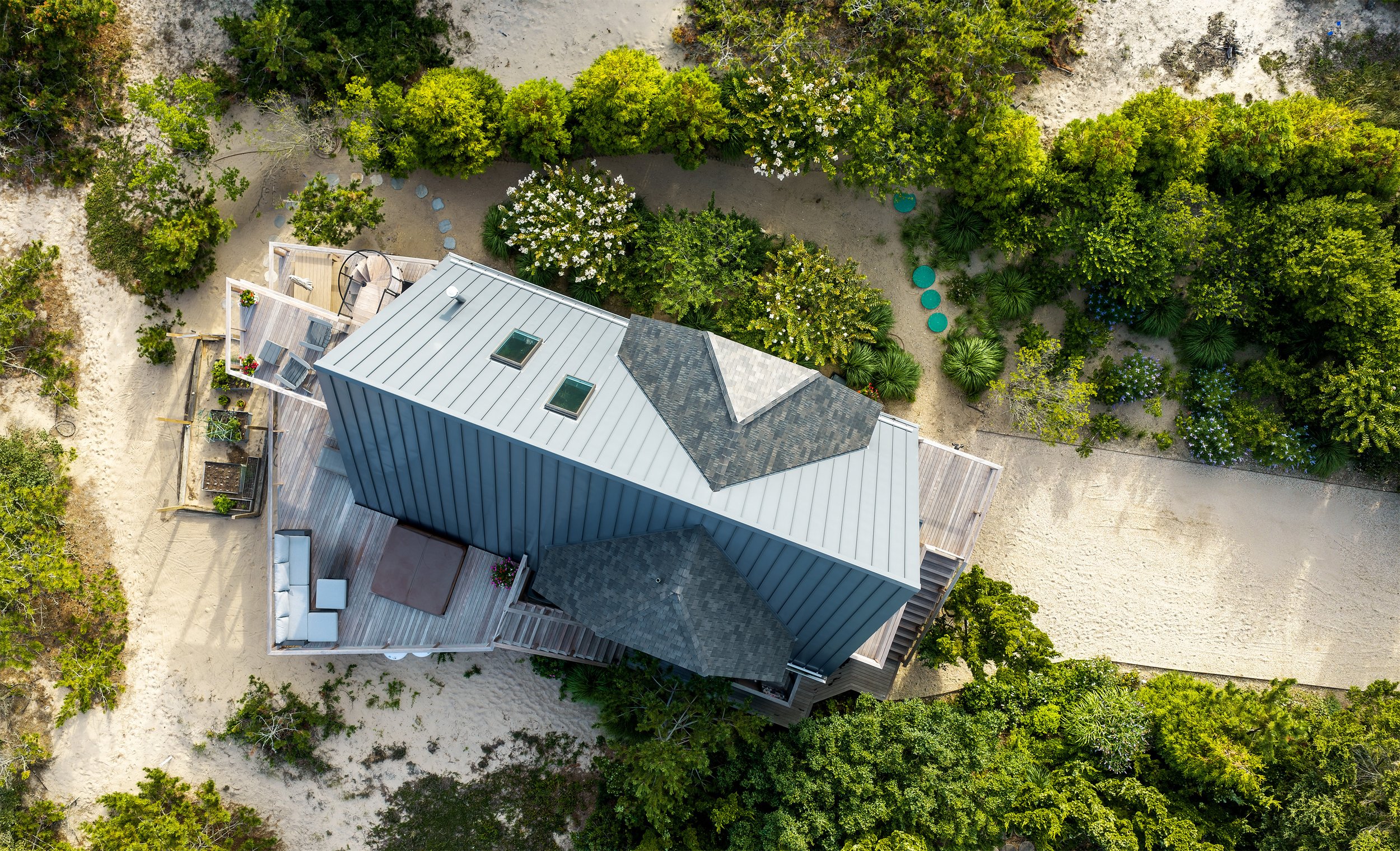
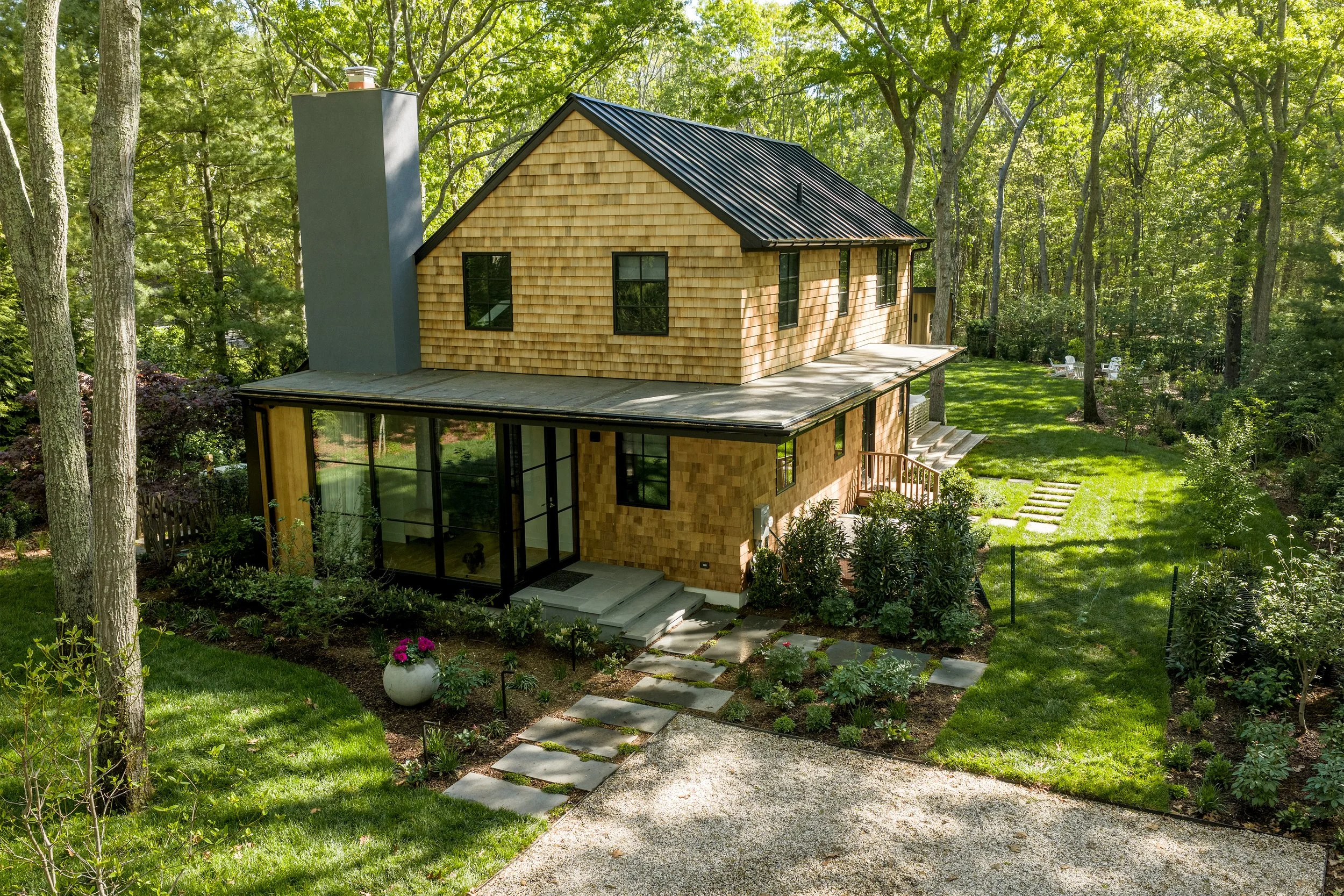
Drone photography and mapping for farms, vineyards, landscape firms, nurseries, and other land-based businesses across Long Island, the East End, and beyond. Aerial imagery that helps North Fork and South Fork vineyards tell their vintage story, farms document field health and seasonal change, and landscape firms showcase completed projects and win new clients.
Why Drone-Based Monitoring Matters
Landscapes are constantly changing — through tides, storms, erosion, vegetation growth, restoration work, cultivation, and human use. Drone-based imagery provides a clear, repeatable perspective that ground-level documentation often cannot capture on its own.
For environmental projects, aerial data can help track shoreline movement, document habitat conditions across sites like Accabonac Harbor, Mecox Bay, and Moriches Inlet, and support science-based decision-making. For working landscapes, it can reveal property layout, seasonal change, project progress, and the broader visual character of a place.
Whether the goal is analysis, planning, outreach, or storytelling, aerial imagery turns complex landscapes into information people can see, understand, and act on.
Most drone operators bring a camera. Gaia brings context.
The Gaia Advantage
Anna Soccorsi combines FAA Part 107 certification, an M.A. in conservation ecology, and field experience spanning coastal wildlife monitoring, environmental research, conservation communication, and renewable energy. This background shapes every project — from understanding which ecological features deserve documentation, to knowing how imagery will be used in reports, grants, and public outreach.
Gaia also uses RTK-enabled drone workflows and professional-grade equipment (DJI Matrice 4E for mapping; DJI Mavic 4 Pro for visual documentation), ensuring that deliverables meet the accuracy and quality standards required for scientific, regulatory, and communications contexts.
Ready to See Your Landscape From a New Perspective?
Whether you're monitoring coastal change along Long Island's shorelines, documenting a wetland restoration site, showcasing a North Fork vineyard, mapping a South Fork farm, or capturing a landscape project from above, Gaia can create aerial visuals tailored to your goals.