
Drone Mapping the Speonk River: A Baseline View of a Long Island Coastal Waterway
The Speonk River is not an open shoreline like Lazy Point or a broad beach system shaped primarily by waves, dunes, and tidal exposure. It is a narrower, more enclosed coastal waterway—a place where water, vegetation, shoreline edges, nearby development, and upland land use meet in close proximity. From the ground, these relationships can be difficult to see all at once. A section of shoreline may look stable from one access point, while vegetation patterns, drainage pathways, or changes along the river edge may only become clear when viewed from above.
This drone mapping project was designed to create a high-resolution aerial baseline of the Speonk River corridor. By combining an orthomosaic map with supporting aerial imagery, the project documents the river as a connected landscape and not just a series of individual shoreline features.
A Different Type of Coastal Mapping Site
Many coastal mapping projects focus on exposed shorelines, beaches, or dunes. The Speonk River presents a different kind of environment. Here, the focus is less on one shoreline feature and more on understanding the broader pattern of the waterway: how the river bends, where vegetation borders the channel, how natural and developed edges interact, and which areas may be valuable for future monitoring.
For coastal rivers and wetlands, aerial mapping can help identify:
River-edge and shoreline conditions
Wetland and vegetation structure
Docks, access points, and adjacent land use
Low-lying areas near the water
Locations for future restoration or stewardship work
Orthomosaic Mapping as a Baseline Record
The primary mapping product from this project was a high-resolution orthomosaic—a seamless overhead map created from many overlapping drone images using photogrammatric processing. For the Speonk River, the orthomosaic provides a detailed baseline of existing conditions. It captures the layout of the river corridor, shoreline edges, vegetation zones, access areas, and surrounding land cover in one readable view.
This type of mapping product can support:
Site assessment and planning
Shoreline and wetland documentation
Restoration or stewardship discussions
Grant reporting and outreach materials
Future comparison after storms, seasonal changes, or management actions
The value of the orthomosaic is that it turns a complex site into a clear spatial record that can be revisited over time.
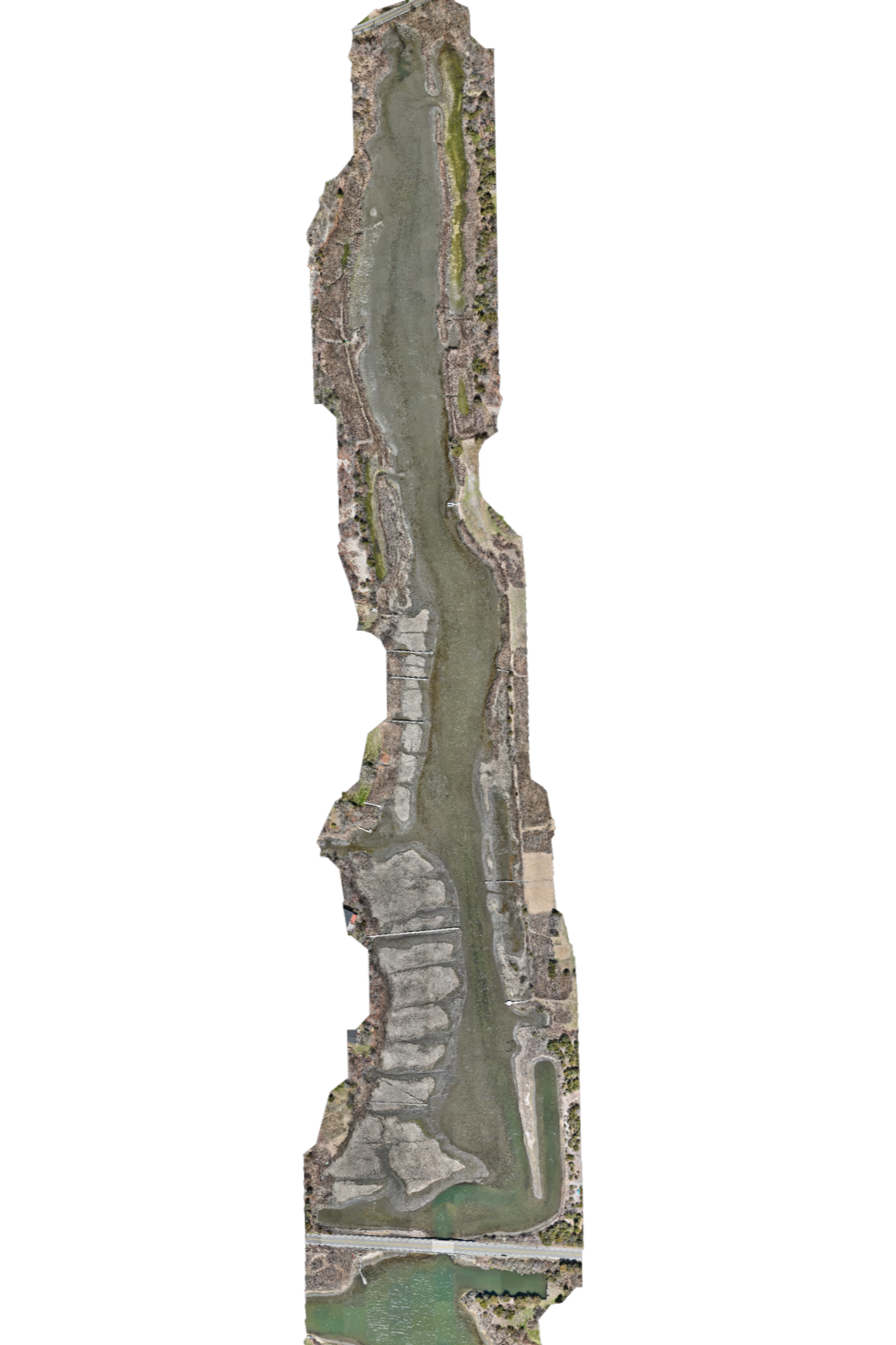
Speonk River Map
High-resolution orthomosaic of the Speonk River, captured at approximately 1.6 cm per pixel, providing a detailed baseline view of the river corridor.
Where Elevation Data Can Add Value
Although this project is centered on visual baseline documentation, elevation data can add another layer of information. In low-lying coastal river systems, small elevation changes can influence flooding, drainage, vegetation, and shoreline vulnerability. A photogrammetric elevation model can help visualize terrain patterns and support questions such as:
Where are lower-lying areas near the river?
How does terrain relate to vegetation or wetland edges?
Which areas may warrant additional monitoring following erosion, sediment movement, or storm impacts?
Elevation products are most effective when combined with site conditions, field observations, and other available spatial data.
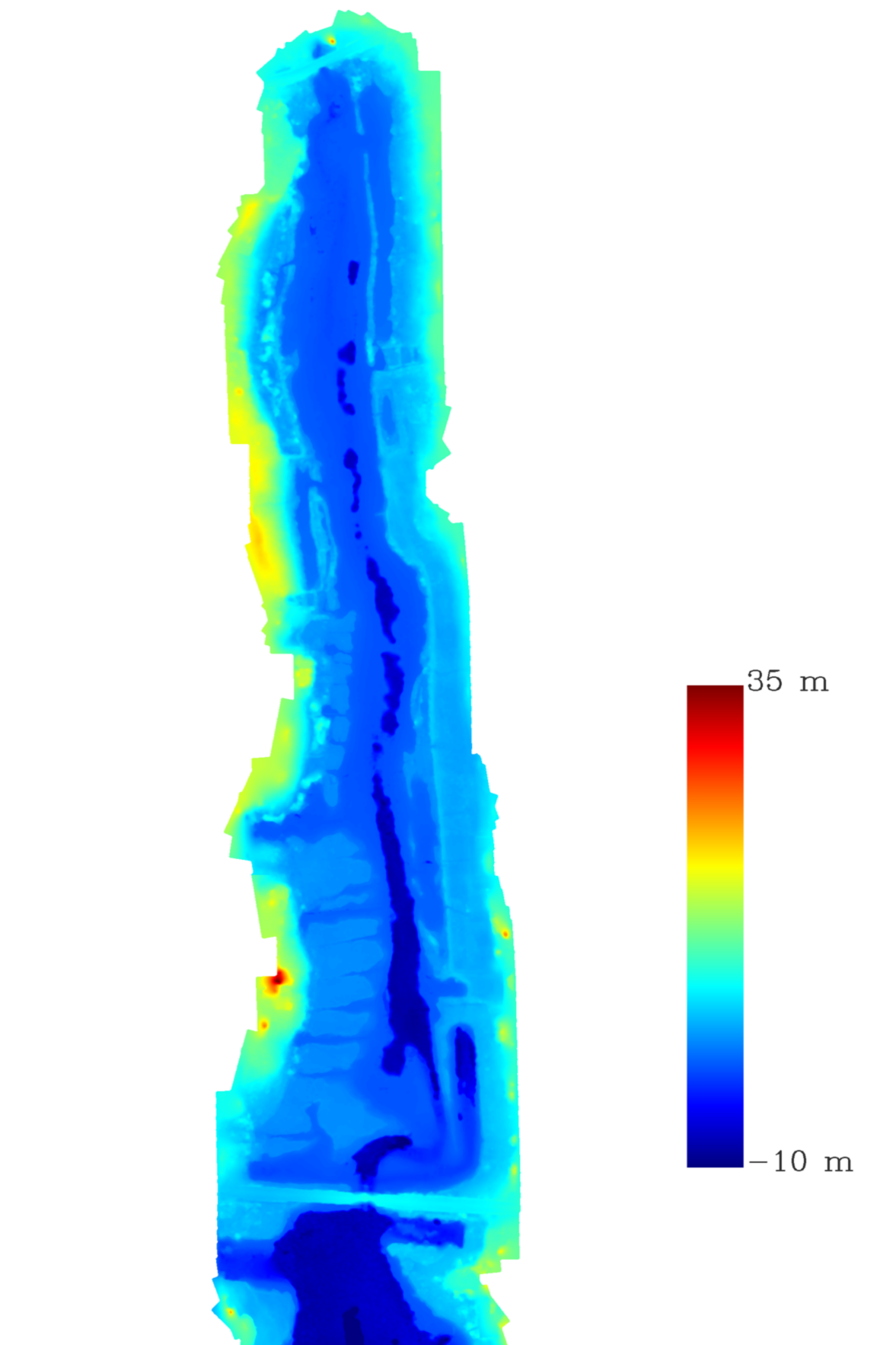
Speonk River Elevation Analysis
Elevation model highlighting subtle terrain variations that influence water flow and habitat distribution.
Mapping and Visual Communication
The Speonk River project also shows how drone imagery can support both technical documentation and communication.
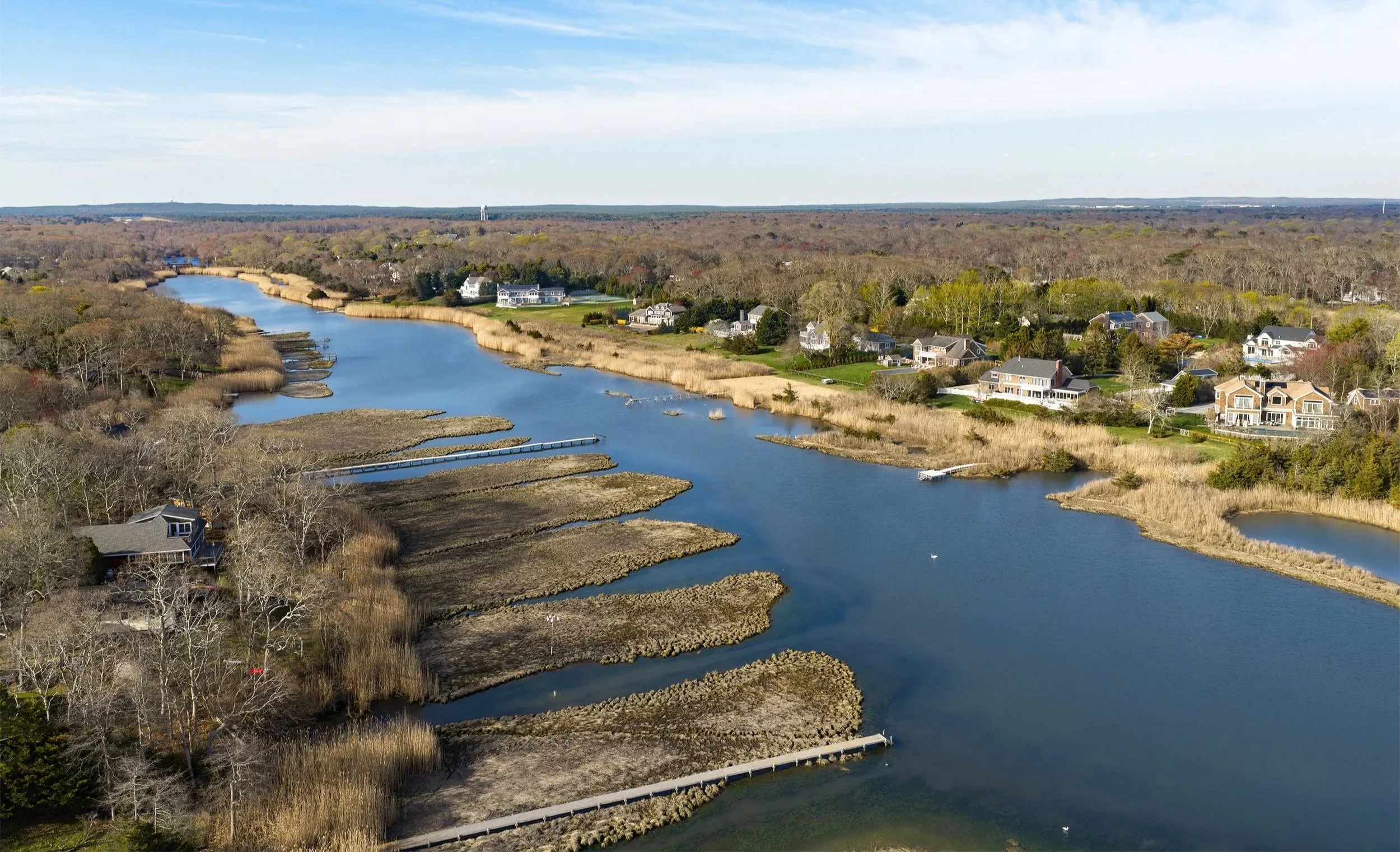
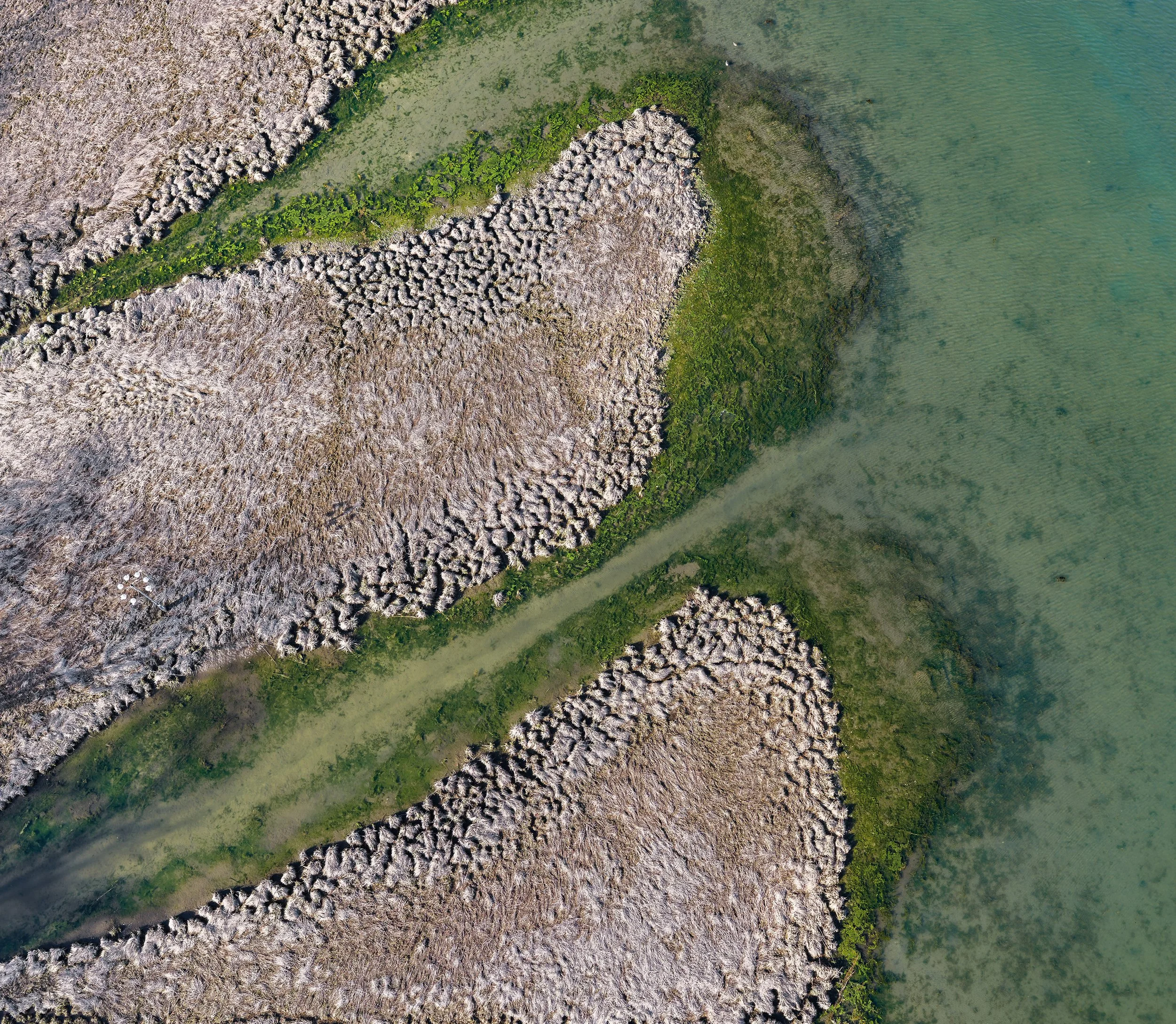
Orthomosaics provide a spatial record for mapping and analysis, while aerial imagery helps communicate the character of a place more immediately. Together, these products provide both context and detail, helping landowners, conservation organizations, municipalities, and project teams better understand and share site conditions.
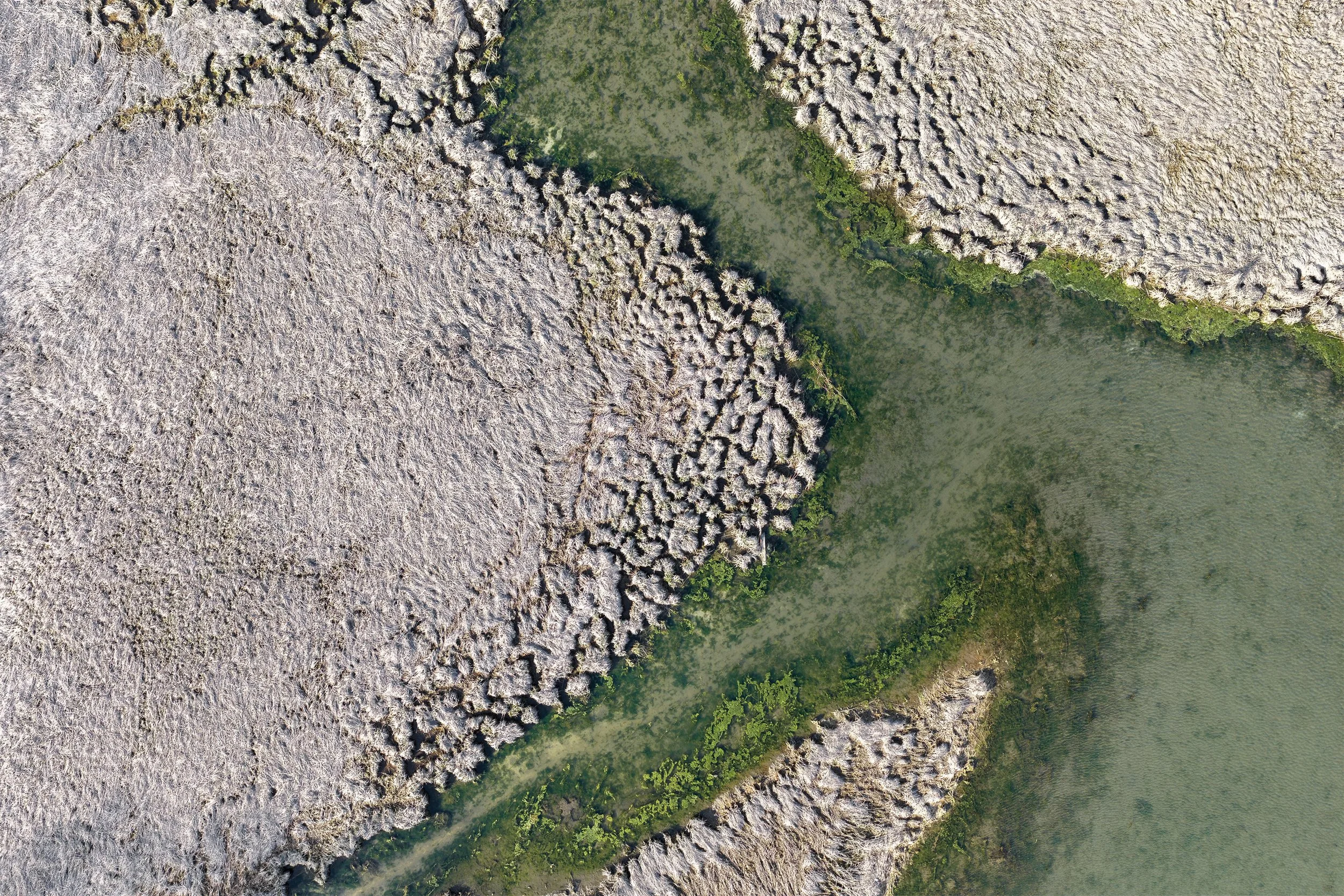
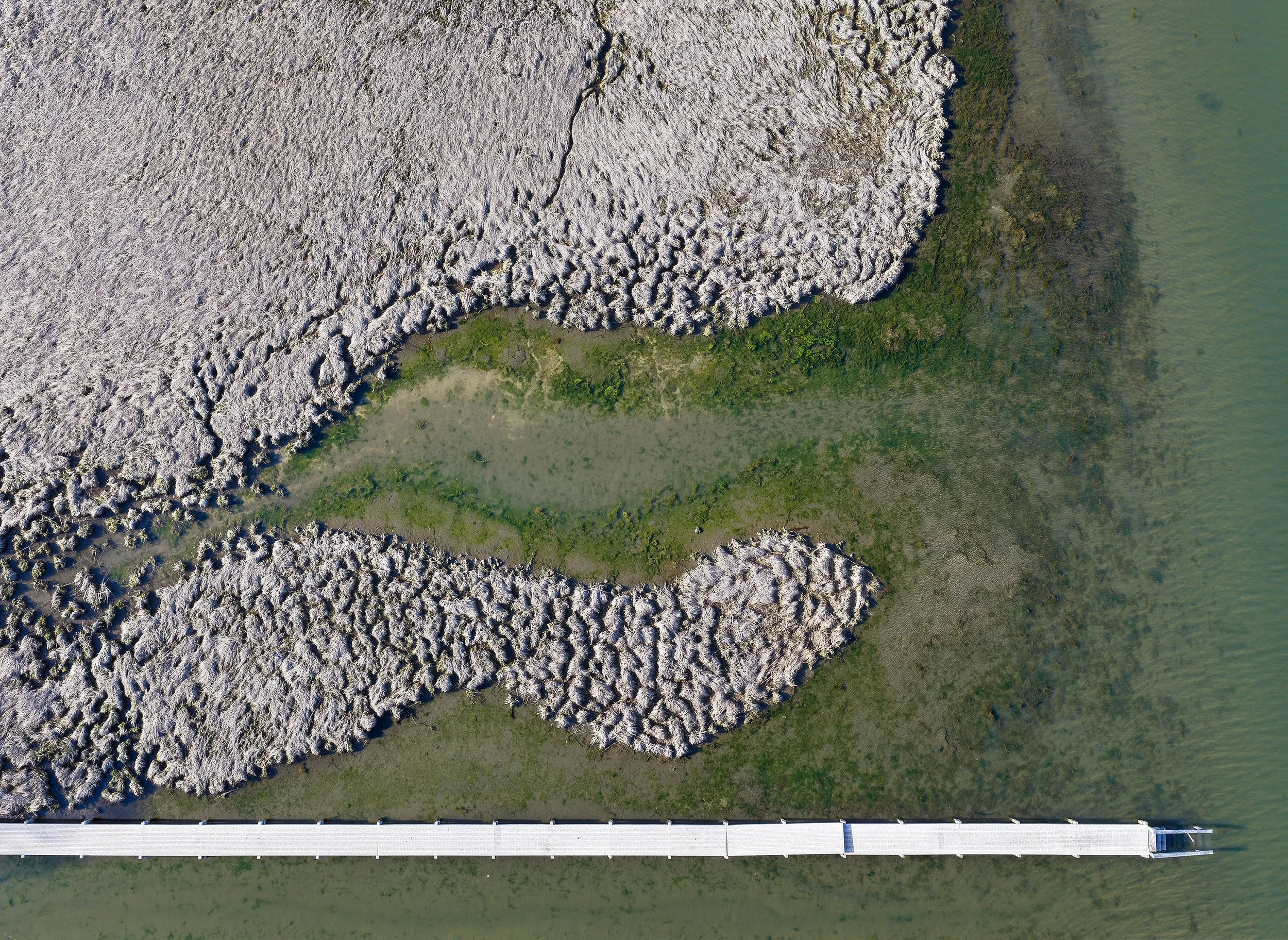
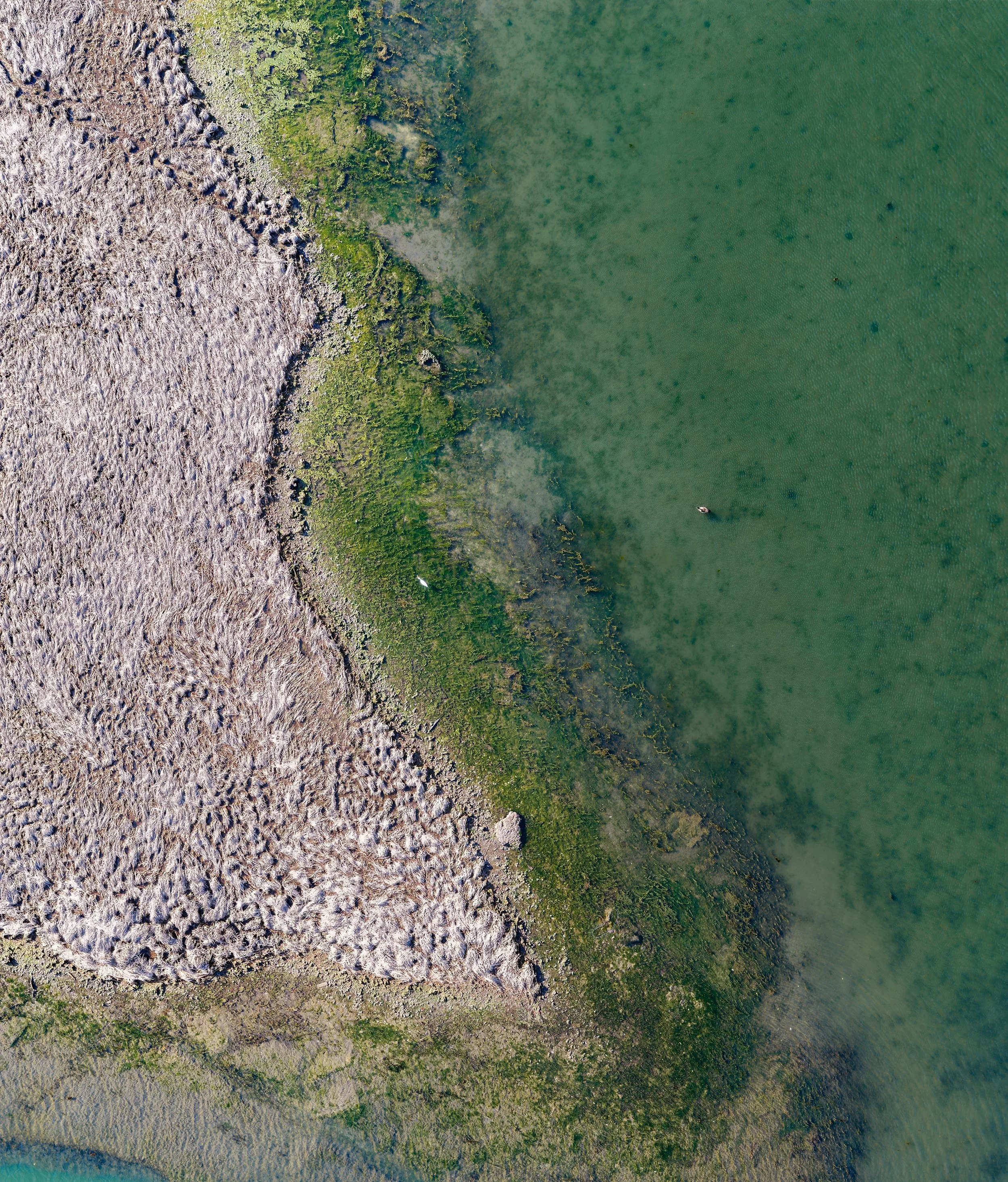
The images below show how aerial photography can move between scales—from the broader river corridor to the fine-scale transition between marsh, shoreline, and shallow water.
Drone Mapping for Long Island’s Rivers, Wetlands, and Coastal Edges
Across Long Island, coastal waterways are shaped by tides, storms, vegetation, development, and long-term environmental change. These places can be difficult to understand from the ground alone.
Drone mapping provides a clearer perspective.
For sites like the Speonk River, aerial data can support baseline documentation, restoration planning, shoreline assessment, habitat monitoring, and environmental outreach. By pairing photogrammetric mapping products with narrative aerial photography, Gaia Aerial Imagery helps translate site conditions into spatial information that can be used, shared, and revisited over time.
Gaia's mapping products are intended to support environmental, planning, and engineering workflows and are not a substitute for boundary surveys or certified land survey products.